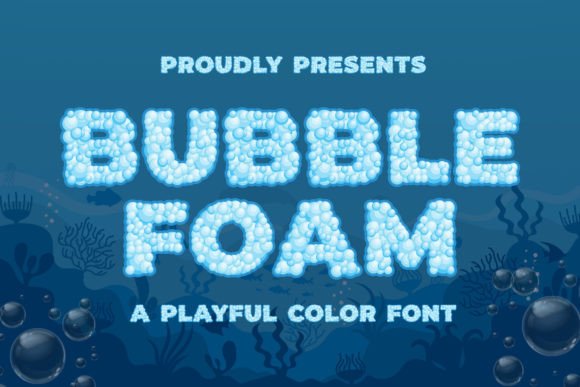
Bubble Foam: Playful Fonts for Digital Design
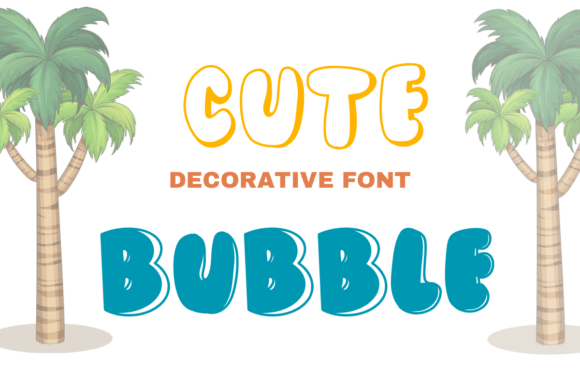
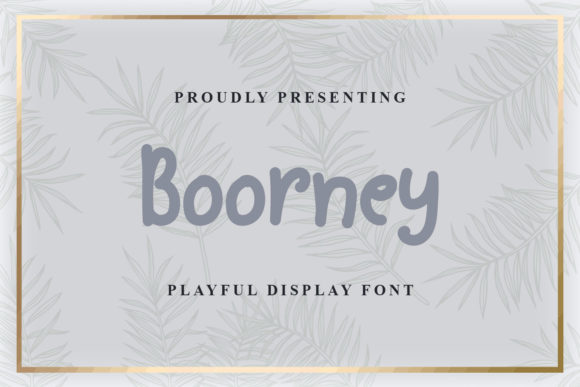
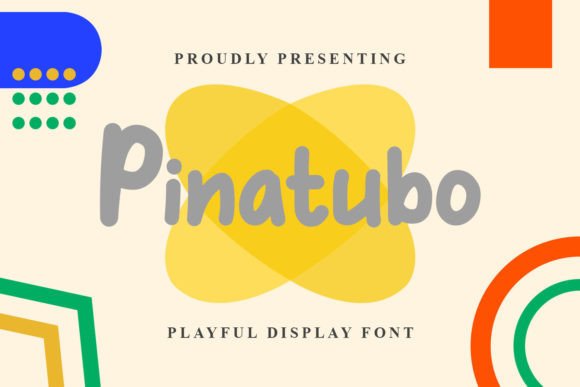
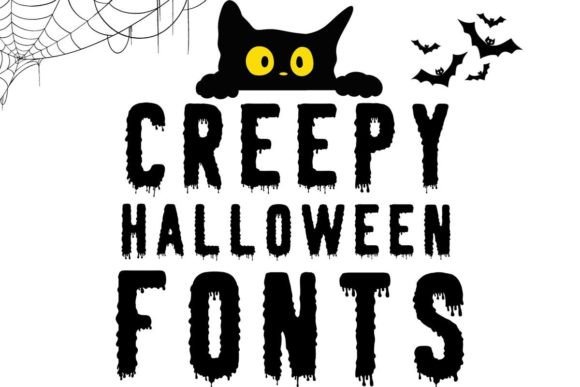
Bubble Foam is an SVG font that brings a whimsical touch to any design. As a digital product creator, I was immediately drawn to its unique character and the way it adds visual interest without overwhelming the overall composition. This display font feels like a breath of fresh air in a market saturated with more serious typefaces.
First Impressions and Niche Appeal
When I first opened Bubble Foam, I noticed its soft curves and rounded edges. It has a playful, almost hand-drawn quality that makes it ideal for brands targeting younger audiences or those looking to add a lighthearted vibe to their work. The font doesn’t feel overly trendy, which is a big plus for long-term use across different projects.
This is not a font for minimalist or modern designs. Instead, it thrives in environments where creativity and fun are key. It could be perfect for seasonal promotions, children’s products, or anything that benefits from a bit of charm and personality.
Real-World Applications for Sellers
Bubble Foam works well in a variety of digital product formats. As a graphic design asset, it can be used in SVG designs for Cricut projects, PNG designs for social media graphics, or clipart bundles for Canva templates. Its versatility allows it to fit into multiple niches, making it a valuable addition to any digital product collection.
For print-on-demand sellers, this font can elevate t-shirt designs, mug designs, and tote bag prints. When paired with a clean sans serif or script font, it creates a balanced visual hierarchy that draws attention without being distracting. It also shines in sticker designs and printable wall art, where its bold yet friendly appearance stands out.
In the realm of digital downloads, Bubble Foam can be part of a larger design bundle. Whether it's a holiday-themed set or a set of planner stickers, this font adds a cohesive and eye-catching element that appeals to buyers looking for something unique.
Enhancing Product Presentation
One of the biggest challenges for online sellers is creating listings that stand out. Bubble Foam can help with that by adding a visual punch to mockup previews and thumbnail images. Its playful style makes it ideal for product bundles that aim to capture attention quickly.
When used in social media graphics or promotional visuals, this font helps reinforce brand identity. It can be a key component in packaging design or blog graphics, where a consistent look is essential for customer trust and perceived value.
For small business branding, Bubble Foam offers a way to inject personality into marketing materials without compromising professionalism. It’s especially useful for handmade businesses or creative entrepreneurs looking to differentiate themselves in a crowded marketplace.
Where Bubble Foam Excels
Bubble Foam is best suited for large product previews, themed bundles, and decorative layouts. Its size and style make it ideal for merchandise graphics, where it can be the focal point of a design. It also works well in digital downloads and creative marketplace listings, where visual appeal is crucial for click-through rates.
As a design asset, it fits naturally into product mockups, helping sellers showcase how their designs will look when printed or applied to physical items. This can be especially helpful for Etsy products or print-on-demand platforms, where potential buyers rely on visual examples to make purchasing decisions.
When to Use It Carefully
While Bubble Foam is versatile, it’s not suitable for every project. In tiny sticker details or overly complex layouts, it can become difficult to read or visually overwhelming. For low-resolution print products, the font may lose some of its clarity, so it’s important to test it at different sizes before finalizing a design.
On dark backgrounds or in areas with weak contrast, Bubble Foam may not stand out as intended. Similarly, in text-heavy templates or projects requiring clean cutting lines for Cricut or Silhouette machines, this font may not be the best choice.
Practical Seller Notes
Before publishing any listing, I recommend testing Bubble Foam on real mockups and previewing it as a marketplace thumbnail. Check how it looks on both white and dark backgrounds, and verify print colors to ensure consistency. If you're using it for SVG cut files, inspect the cut quality to avoid issues during production.
Make sure to confirm file resolution and organize your files clearly for customers. Pairing Bubble Foam with other fonts—like a serif, sans serif, or script font—can create a more dynamic and professional look. Always double-check the commercial license to ensure you’re allowed to sell finished products using this asset.
As a digital product creator, I find that Bubble Foam is a great addition to any design toolkit. It’s not a one-size-fits-all solution, but when used appropriately, it can enhance a wide range of products and help build a more engaging online presence.