Asthon Hawk: Bold, Textured, and Ready for Real Use
As a designer who’s spent years working with machine embroidery designs, I’ve come to value fonts that not only look good but also perform well in real-world applications. Asthon Hawk is one of those rare finds—a textured SVG font that brings a tactile quality to any embroidery project. It’s not just a pretty design; it’s a practical choice for anyone looking to elevate their handmade products, custom apparel, or digital assets.
The First Impression: A Font That Demands Attention
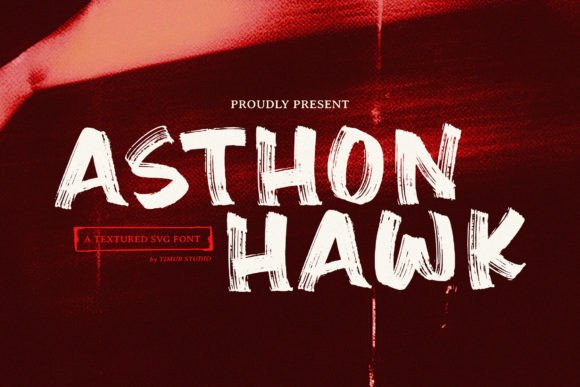
From the moment I opened the file, Asthon Hawk stood out. Its intricate surface patterns give each character a unique texture, making it feel almost like a 3D object rather than a flat font. The bold strokes and layered details create a sense of depth that’s hard to ignore. This isn’t a font you’d use for subtle text—it’s one that wants to be seen, heard, and felt.
It has a modern, industrial vibe with a touch of elegance. The design feels right at home on items like tote bags, sweatshirts, or baby onesies where visual impact matters. It’s perfect for projects that need to stand out, whether it’s a custom embroidered patch or a holiday gift with a personal touch.
How Asthon Hawk Performs in Real Embroidery Projects
Testing Asthon Hawk on different fabrics and hoop sizes gave me a clear picture of its strengths and limitations. On medium-weight cotton or denim, the font held up well, with the textured elements coming through without too much distortion. However, on thin or stretchy materials, the details became less defined, which is something to keep in mind.
For custom apparel, like a sweatshirt or t-shirt, Asthon Hawk works best when used in larger sizes. Smaller lettering can lose some of its detail, especially if the stitch density is too high. I found that adjusting the fill stitch density helped maintain clarity without overworking the fabric.
One of the most impressive aspects of Asthon Hawk is how it translates to an embroidered patch. The texture adds a layer of interest that makes the finished product feel more premium. It’s ideal for small business owners or Etsy sellers looking to offer something unique in their shop.
Where to Use Asthon Hawk with Caution
While Asthon Hawk is versatile, there are certain scenarios where it might not be the best fit. For example, on small hoop sizes, the font can become too dense, leading to stitching issues or thread breakage. If you’re planning to use it on a cap or a curved surface, you’ll need to adjust the design to accommodate the shape.
On dark fabrics, the contrast can be striking, but on light backgrounds, the texture may not show as clearly. I recommend testing it on both color options before committing to a project. Also, because of its detailed nature, it’s not the best choice for tiny lettering or areas with lots of curves.
If you’re using it for a layered garment or a product that will be washed frequently, make sure to use the right stabilizer and check the thread color contrast. These steps can prevent the design from fading or distorting over time.
Impact on Visual Appeal and Customer Perception
Asthon Hawk adds a level of sophistication that can elevate any handmade product. Its textured appearance gives the finished item a more professional look, which can increase customer trust and perceived value. When customers see a design like this, they’re more likely to think it’s high-quality and worth the price.
For craft businesses, this font can help differentiate your products from others. Whether it’s a personalized gift, a boutique item, or a commercial embroidery project, Asthon Hawk offers a unique aesthetic that stands out. It’s also great for printable mockups or digital product previews, as it looks sharp in both black and white and color.
Practical Tips for Using Asthon Hawk
Before jumping into a project, always test the design on scrap fabric. This helps you see how the texture translates and whether any adjustments are needed. Check the thread colors against the background to ensure good visibility, and review the stitch density to avoid overworking the fabric.
Make sure the hoop size is appropriate for the design—larger fonts may require a bigger hoop. Inspect small details closely, especially if you’re using it for baby items or other delicate projects. Also, confirm the licensing terms if you plan to sell finished products or digital files.
Finally, consider how the font fits into your brand’s overall style. If you’re a small shop owner or a creative entrepreneur, choosing a font that aligns with your brand identity can help build consistency and recognition.
Conclusion: A Font That Works Beyond the Screen
Asthon Hawk isn’t just a pretty design—it’s a functional tool that can enhance a wide range of embroidery projects. From custom apparel to personalized gifts, it brings a level of detail that makes the finished product feel more special. While it requires some care in application, the results are well worth the effort.
Whether you’re an experienced embroiderer or just starting out, Asthon Hawk offers a fresh approach to typography that can add value to your work. With the right preparation and attention to detail, it can become a go-to font for your next project.