Old Cowboy Bold: A Western Font for Real Embroidery Projects
As an embroidery designer with years of experience, I’ve seen my fair share of fonts that look great on a screen but fall flat when stitched out. Old Cowboy Bold is one that caught my attention—not just for its rugged aesthetic, but for how it translates into real-world embroidery projects. This font has a bold personality that fits perfectly in the world of custom apparel, handmade gifts, and boutique merchandise. But like any design, it needs to be used thoughtfully.
The First Impression: A Wild West Vibe That Speaks Volumes
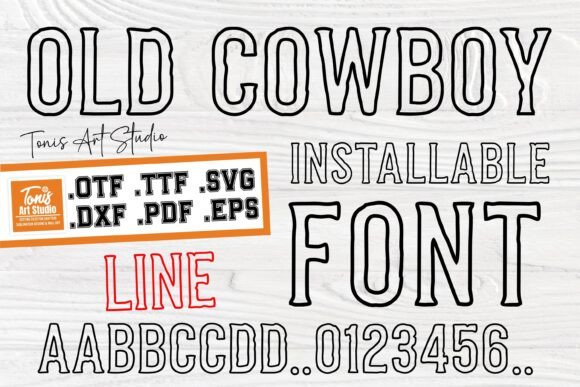
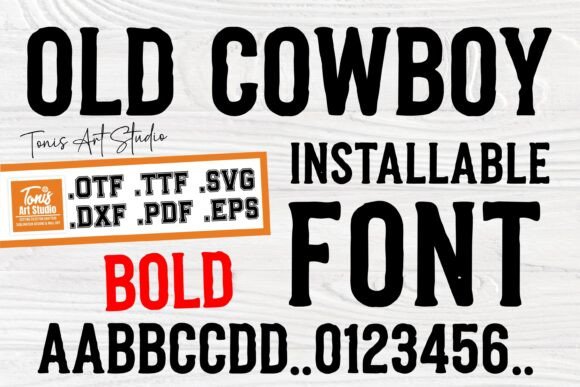
Old Cowboy Bold immediately evokes a sense of strength and nostalgia. The thick strokes and sharp angles give it a commanding presence, making it ideal for projects that need a strong visual impact. It’s not subtle, but that’s part of its charm. This font feels like it belongs on a leather jacket, a vintage hat, or a personalized gift that makes a statement.
The layout is clean and structured, which helps maintain readability even at larger sizes. The detail level is high enough to add character without becoming too intricate for machine embroidery. It’s a display font, so it’s not meant for long paragraphs—but that’s fine. Its power lies in its ability to stand out as a focal point.
Real-World Use: Where Old Cowboy Bold Shines
I tested Old Cowboy Bold on a few different projects, starting with a custom tote bag design. The font worked well on a cotton canvas, with clear stitch definition and a confident look. It also translated nicely to a sweatshirt, where the boldness added a rugged edge that matched the overall theme.
For baby items, I found that the font was a bit too intense. While it could work for a themed onesie or blanket, I’d recommend scaling it down or pairing it with softer elements. On a patch, the font held up well, especially when using satin stitch for the outlines and fill stitches for the background.
One of the best places for Old Cowboy Bold is in holiday or wedding gifts. Its Western flair adds a unique touch that can make a personalized item feel more special. It also works well for small shop merchandise, like aprons or kitchen towels, where the font can serve as a signature element.
Where to Be Careful: Limitations and Considerations
While Old Cowboy Bold is powerful, it’s not a one-size-fits-all solution. In smaller hoop sizes, the details can become too tight, leading to skipped stitches or poor coverage. If you’re working on a cap or a curved surface, you may need to adjust the design or use a different font altogether.
On thin or stretchy fabrics, the font might not hold up as well. It’s important to use the right stabilizer and test on scrap fabric before committing to a final project. Dark fabrics can also be tricky—make sure the thread color contrasts enough to make the design visible.
For projects that require frequent washing, such as baby clothes or linens, the density of the stitches matters. Too much saturation can cause the fabric to pucker or the design to lose its shape over time. Always check the stitch density and consider using a running stitch for lighter areas.
Impact on Visual Appeal and Customer Perception
Old Cowboy Bold has a strong visual presence that can elevate the value of a handmade product. When used correctly, it adds a professional touch that makes a finished item stand out. Customers often respond positively to bold, distinctive fonts, especially when they align with the theme of the product.
From a branding perspective, this font can help create consistency across a collection. Whether it’s a custom apparel line or a series of printable mockups, Old Cowboy Bold offers a cohesive look that reinforces your brand identity. It also enhances the giftability of a product, making it more appealing for personal or commercial use.
Practical Designer Notes: What to Check Before Using
Before jumping into a project with Old Cowboy Bold, there are a few key steps to follow. First, test the design on scrap fabric to see how it looks in real life. Check the contrast between the thread colors and the fabric to ensure visibility. Review the stitch density and confirm that the hoop size is appropriate for the design.
Inspect small details carefully, especially if the font has intricate corners or curves. Test it in black and white mockups to see how it appears without color. Compare it on both light and dark backgrounds to determine the best fit for your project.
Make sure you’re using the right stabilizer for your fabric type. If you’re planning to sell finished items or digital products, always confirm the licensing terms. And don’t forget to check whether the embroidery file is compatible with your machine and software.
Final Thoughts: A Font That Needs the Right Context
Old Cowboy Bold is a strong, versatile font that brings the spirit of the Wild West to life in embroidery. It’s perfect for projects that need a bold, memorable look, but it requires careful consideration when it comes to application. With the right approach, it can enhance your designs, boost customer engagement, and add a unique touch to your handmade products.
Whether you’re an Etsy seller, a craft business owner, or a creative entrepreneur, Old Cowboy Bold is worth exploring. Just remember to test it thoroughly and use it where it will have the most impact.