Street Paint: A Bold Brush for Embroidery
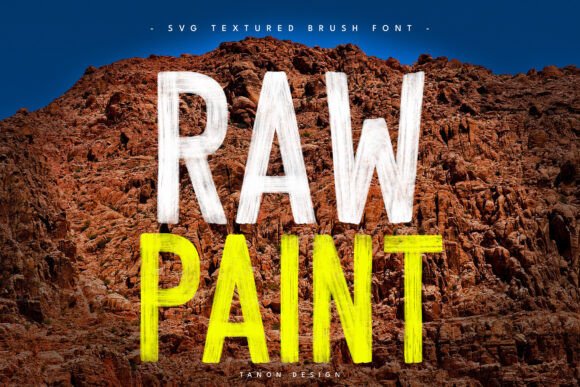
As a designer who’s spent years working with machine embroidery designs, I always approach new fonts with a critical eye. “Street Paint” Textured brush SVG font caught my attention not just for its aesthetic appeal, but for how it might translate into real-world embroidery projects. This is a font that feels alive—like it was drawn with a brush in hand, not generated by a computer. It has a raw, expressive quality that could elevate a range of handmade products, from custom apparel to personalized gifts.
The First Impression: A Handwritten Vibe
From the moment I opened the file, I noticed the character of Street Paint. It’s not a clean, sterile font—it’s textured, almost like a street mural. The brush strokes have variation, which gives it a sense of movement and energy. It’s perfect for designs that need a bit of personality, especially when you want to avoid the look of something too digital or manufactured.
The layout is bold and dynamic, making it ideal for display purposes. It works well as a headline or a statement piece, but it also has enough detail to hold up in more intricate designs. The visual personality is modern yet rustic, which makes it versatile across different styles—from urban chic to cozy farmhouse decor.
Real-World Use: Tote Bags, Sweatshirts, and More
I tested Street Paint on a few different projects, starting with a custom tote bag design. The font looked great on a cotton canvas, where the texture of the fabric complemented the brush-like edges of the letters. It added a unique touch that made the tote feel more like a one-of-a-kind piece rather than a mass-produced item.
On a sweatshirt, the font stood out without being overwhelming. The stitch density was manageable, and the design didn’t require excessive fill stitches, which is a big plus for commercial embroidery. It worked well as a front graphic, and the brushed texture gave it a tactile quality that customers would appreciate.
For baby items, like onesies or embroidered patches, Street Paint had a playful, artistic edge. It wasn’t too aggressive, but it still had enough presence to make a statement. I could see it working well for nursery decor or personalized gifts, where the design needs to be both cute and memorable.
Where to Be Careful: Small Details and Fabric Types
While Street Paint is impressive, it’s not without its limitations. On small hoop sizes, the details can get lost. If you’re trying to embroider this on a cap or a hat, you’ll need to scale it appropriately. The font’s texture might not translate well on very small surfaces, so it’s best suited for larger projects like tote bags, aprons, or pillow covers.
On thin or stretchy fabrics, the design might not sit as nicely. You’ll need to use the right stabilizer to prevent puckering or distortion. Dark fabrics can also be tricky—depending on the thread color, the brush strokes might not show up as clearly. It’s worth testing on a scrap piece before committing to a full project.
For layered garments or curved surfaces, the font might require some adjustments. The curves of the letters could get distorted if the design isn’t properly adjusted for the shape of the garment. It’s also important to check how the font looks in black and white mockups, as the texture might affect how it appears in different lighting conditions.
Impact on Visual Appeal and Customer Perception
Street Paint adds a level of authenticity to any finished product. When customers see a design that looks handcrafted, they tend to value it more. This font can help elevate a basic t-shirt into a standout piece, making it more appealing for resale or personal use.
It also plays a role in brand consistency. For small business owners or Etsy sellers, having a unique font can help differentiate their work from others. It creates a signature style that customers recognize and remember. Plus, the font’s versatility means it can be used across multiple products, from printable mockups to digital design assets.
When it comes to giftability, Street Paint adds a personal touch. Whether it’s a holiday ornament, a personalized mug, or a custom apron, the font brings an artistic flair that makes the item feel more special. It’s the kind of detail that customers notice and appreciate, which can lead to repeat business and positive reviews.
Practical Designer Notes: Test, Adjust, and Confirm
Before using Street Paint in a client project or a commercial embroidery job, I recommend testing it on scrap fabric. This will help you understand how the texture interacts with different materials and how the stitch density affects the final look.
Check the thread color contrast. If you’re using a dark fabric, make sure the thread color stands out. Conversely, on light backgrounds, the brush strokes should still be visible without being too harsh.
Review the hoop size requirements. If the design is too large for your machine’s hoop, you may need to split it or adjust the dimensions. Also, inspect the small details—especially if you’re using it for lettering or decorative accents.
Make sure the font works for both personal and commercial use. Check the licensing terms to confirm whether you can sell finished items or digital products featuring Street Paint. And don’t forget to use proper stabilizer for delicate or stretchy fabrics.
Final Thoughts: A Font That Adds Character
Street Paint isn’t just another font—it’s a tool that can add character and personality to your embroidery projects. It’s ideal for designers looking to create handmade products with a unique, artistic edge. Whether you’re an Etsy seller, a craft business owner, or a hobbyist, this font offers a fresh alternative to more traditional embroidery fonts.
It’s not perfect for every project, but when used correctly, it can make a significant difference in how your designs are perceived. If you’re looking for a way to stand out in a crowded market, Street Paint is worth considering. Just remember to test it first and adjust it to fit your specific needs.