Old Cowboy Line: Rustic Elegance for Embroidery Projects
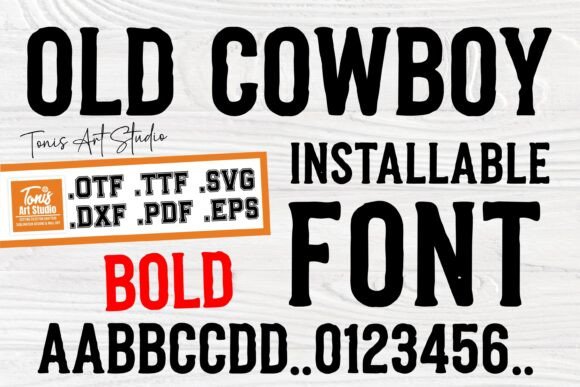
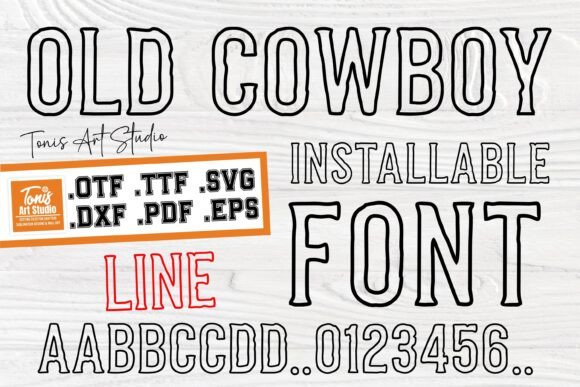
As a designer with years of experience in embroidery, I’ve seen countless fonts come and go. But when I first encountered the Old Cowboy Line font, it immediately caught my attention. This is not just another display font—it’s a design that carries the weight of the Wild West, offering a bold, outlined style that feels both rugged and refined.
The First Impression: A Bold Statement with Western Charm
Old Cowboy Line has a distinct visual personality. Its clean, outlined strokes give it a sense of simplicity that still manages to feel powerful. The font doesn’t try too hard to be flashy; instead, it exudes a quiet confidence that fits well with rustic themes. It’s ideal for projects that aim to evoke a sense of nostalgia or a connection to traditional craftsmanship.
When I first viewed the font, I imagined it on a leather jacket, a vintage hat, or a handmade quilt. It felt like it belonged in a setting where every detail mattered, and the design had to speak for itself without overcomplicating things. That’s what makes Old Cowboy Line so appealing—it’s a font that can stand alone or complement other elements without overpowering them.
Real-World Use: Where Old Cowboy Line Shines
I recently worked on a custom embroidered tote bag for a client who wanted something that felt personal and meaningful. I chose Old Cowboy Line for the text, and it turned out beautifully. The font’s boldness made it easy to read from a distance, while its outlined style gave it a subtle texture that added depth to the design.
This font works especially well on larger items like sweatshirts, aprons, and pillow covers. It also has potential for baby items, such as onesies or blankets, where a strong but not overwhelming design is key. The outlined style allows for flexibility in thread color choices, making it adaptable to different fabric types and color schemes.
For small business owners and Etsy sellers, Old Cowboy Line offers a unique way to brand their products. Whether it’s used for a holiday gift, a personalized piece, or a boutique item, it adds a touch of authenticity that customers often appreciate.
Where to Be Careful: Limitations and Considerations
While Old Cowboy Line is a strong design, it’s not without its limitations. On smaller hoop sizes, the details may become too fine, leading to a loss of clarity. This is especially true for intricate corners or tiny lettering. If you’re planning to use it on a cap or a patch, you’ll need to ensure the hoop size is large enough to capture all the details.
Textured fabrics can also be a challenge. The outlined style might not show up as clearly on rough or uneven surfaces. Similarly, thin or stretchy fabrics may cause the stitches to pull or distort, especially if the stabilizer isn’t properly applied. Dark fabrics can work well with this font, but you’ll want to make sure the thread color contrasts enough to be visible.
For commercial embroidery projects, it’s important to test the design on different materials before finalizing. The stitch density should be reviewed to ensure it doesn’t create bulk or cause the fabric to pucker. If you’re using it for an applique design, the outlined style may require additional layers to maintain definition.
Impact on Visual Appeal and Customer Perception
Old Cowboy Line has a strong visual presence that can elevate the overall look of any finished product. Its bold, outlined style gives it a modern yet classic feel, which can help differentiate your handmade product from others in a crowded market. Customers often respond positively to designs that feel authentic and well-crafted, and this font does just that.
From a branding perspective, using Old Cowboy Line consistently across your product line can help build recognition. It adds a level of professionalism that resonates with buyers looking for quality and character. For personalized gifts, it provides a sense of individuality that makes each item feel special.
When it comes to buyer engagement, the font’s unique style can spark interest and encourage clicks, especially in online listings. It’s a great choice for printable mockups or digital product previews, as it maintains clarity and impact even in smaller formats.
Practical Designer Notes: Testing and Preparation
Before committing to any embroidery project, I always recommend testing the design on scrap fabric. This helps identify any issues with stitch density, thread color contrast, or fabric compatibility. For Old Cowboy Line, I found that testing on both light and dark backgrounds was particularly useful to see how the outlined style would appear in different settings.
Proper stabilizer is essential, especially for delicate or stretchy fabrics. You’ll also want to check the hoop size to ensure the design fits comfortably without being cramped. If you’re working on a curved surface like a cap, you may need to adjust the design slightly to accommodate the shape.
Finally, always confirm the licensing terms before using Old Cowboy Line for commercial purposes. Make sure it’s suitable for both personal and business use, and that you have the right to sell finished items or digital products featuring the design.
Final Thoughts: A Font with Character for Real Projects
Old Cowboy Line is more than just a font—it’s a design that brings a sense of place and personality to any embroidery project. It’s perfect for those looking to add a western flair to their handmade products, custom apparel, or small shop merchandise. While it has some limitations, its strengths make it a valuable addition to any designer’s toolkit.
If you’re an embroidery designer, craft business owner, or Etsy seller, consider giving Old Cowboy Line a try. It might just be the perfect touch your next project needs.